Integrating Prefabrication With Work Packaging
Why this combined approach is becoming essential for modern projects

Prefabrication is rapidly becoming an expectation on complex, schedule-driven projects such as data centers, labs, hospitals, and high-density residential buildings. At the same time, the construction industry is shifting toward structured work packaging to improve predictability and flow on site. When electrical contractors combine these two strategies, the result is a powerful delivery model: consistent quality, reduced field hours, clearer sequencing, and highly coordinated production.
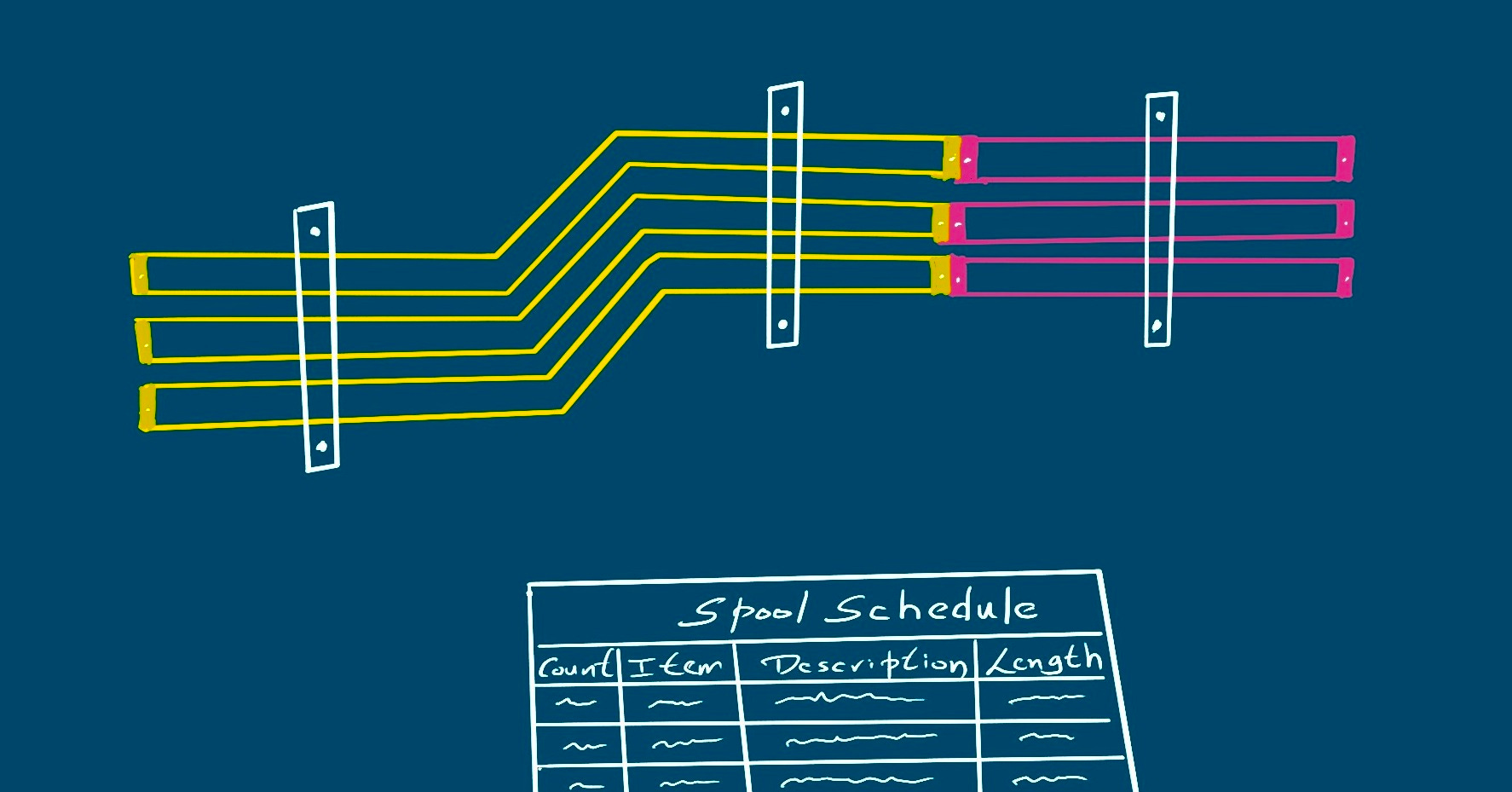
This article explains why integrating prefab with work packaging is the next competitive edge and highlights the easiest places to begin.
Why the integration of prefab and work packaging matters
GC expectations are evolving
General contractors are under pressure to deliver faster and with fewer coordination conflicts. They increasingly expect trade partners to bring structured installation strategies to the table. Prefab alone is helpful, but when it arrives in organized work packages aligned to the schedule, it transforms the entire coordination process.
Prefab improves productivity, and work packaging improves flow
Prefab increases productivity by shifting labor into controlled shop environments. Work packaging increases flow by organizing the project into logical, installable chunks with full visibility of what is happening where.
Combined, they create predictable installation sequences that the GC and other trades can plan around.
Owners and GCs want risk reduction, not just labor savings
A prefab item is useful.
A prefab work package is a risk-reduction tool.
It tells the GC:
Here is exactly what will be installed in this area
Here is when it will be ready
Here is the labor it will require
Here is what success looks like
This clarity builds trust and makes an electrical contractor stand out.
What it looks like when prefab and work packaging work together
Work packages define the where and when.
Prefabrication defines the what and how.
When combined, you have a repeatable system:
Each zone, riser, room, corridor, or cabinet row gets its own prefab bundle.
Material arrives tagged for the exact area it belongs to.
Crews focus on installing complete, ready-to-go assemblies instead of hunting for parts.
Progress is easier for GCs to track because it aligns with their pull plan or takt plan.
This is why data centers, clean rooms, and hospitals are consistently moving toward this model.
Low hanging fruit: simple prefab items that pair perfectly with work packages
Below are some good places for electrical contractors to find immediate structure for packaging by zone, level, corridor, or room.
1. Conduit assembly packages
Overhead Conduit racks assembled 10-foot-sections strapped with struts, and labeled by area as shown on prefab work package assembly maps:
“Level 2 East Wing – Electrical Room A Conduit Assembly Package”
Underground duct banks with custom spacers and stubs with structural supports.
This reduces on-site cutting/bending. Also, the assembly map gives the GC a visualizable deliverable to help coordinate install sequencing with other trades.
2. Electrical room equipment packages
A complete work package for an electrical room might include:
Equipment skids with structural support and provision for overhead trays and underground prefab stub outs
Panels mounted on strut stands
Prewired load centers
Labelled overhead feeder conduit rack assemblies
Junction box assemblies
Crews receive one organized delivery that aligns to one installable space.
3. Lighting zone packages
Lighting assemblies grouped by corridor, row, bay, or room.
Examples:
• Corridor 2 lighting rack package
• Clean room grid lighting kit
• Data hall row lighting modules
These align naturally with GC takt zones.
4. Preterminated cable bundles for rack or cabinet rows
In mission-critical or data center projects, preterminated network bundles grouped by cabinet row are one of the fastest ways to gain efficiency.
Work packaging makes this even stronger because each row receives a dedicated kit.
5. Junction box and device rough-in kits
Grouped by room or zone, including:
• J-boxes
• Mud rings
• Conduit stubs
• Label sets
• Mounting hardware
This is one of the easiest ways to introduce the idea of area-based prefab.
6. Hangers
Struts and rods cut to length (with few extra inches to rod lengths) and labeled with assembly IDs, workpackage IDs, install maps and total station points make hanger installs go smooth.
7. Feeder pathway packages
Feeder runs broken into segments that match the GC’s area breakdown.
Crews install one area at a time instead of juggling the entire feeder run at once.
The role of BIM in making prefab work packages possible
Not all prefab assemblies need BIM. But BIM unlocks many prefab work-package opportunities.
When BIM outputs become shop drawings, cut lists, spool drawings, and labels, the shop becomes an extension of the design process, not a separate guess-and-build operation.
Precut conduit lengths, rack assemblies, panel drops, riser segments, and lighting modules all require precise dimensions.
If the model is sloppy, prefab cannot be trusted.
If the model is tight, prefab becomes repeatable and scalable.
The strategic advantage
Prefabrication shows capability.
Work packaging shows discipline.
Combined, they show mastery.
Electrical contractors who adopt this integrated model gain three long-term competitive advantages:
A more predictable and safer field environment.
Higher perceived competence in the eyes of GCs and owners.
A repeatable system they can replicate on future projects at any scale.
This is the path forward for contractors who want to secure complex, fast-paced work and stand out as organized, reliable trade partners.